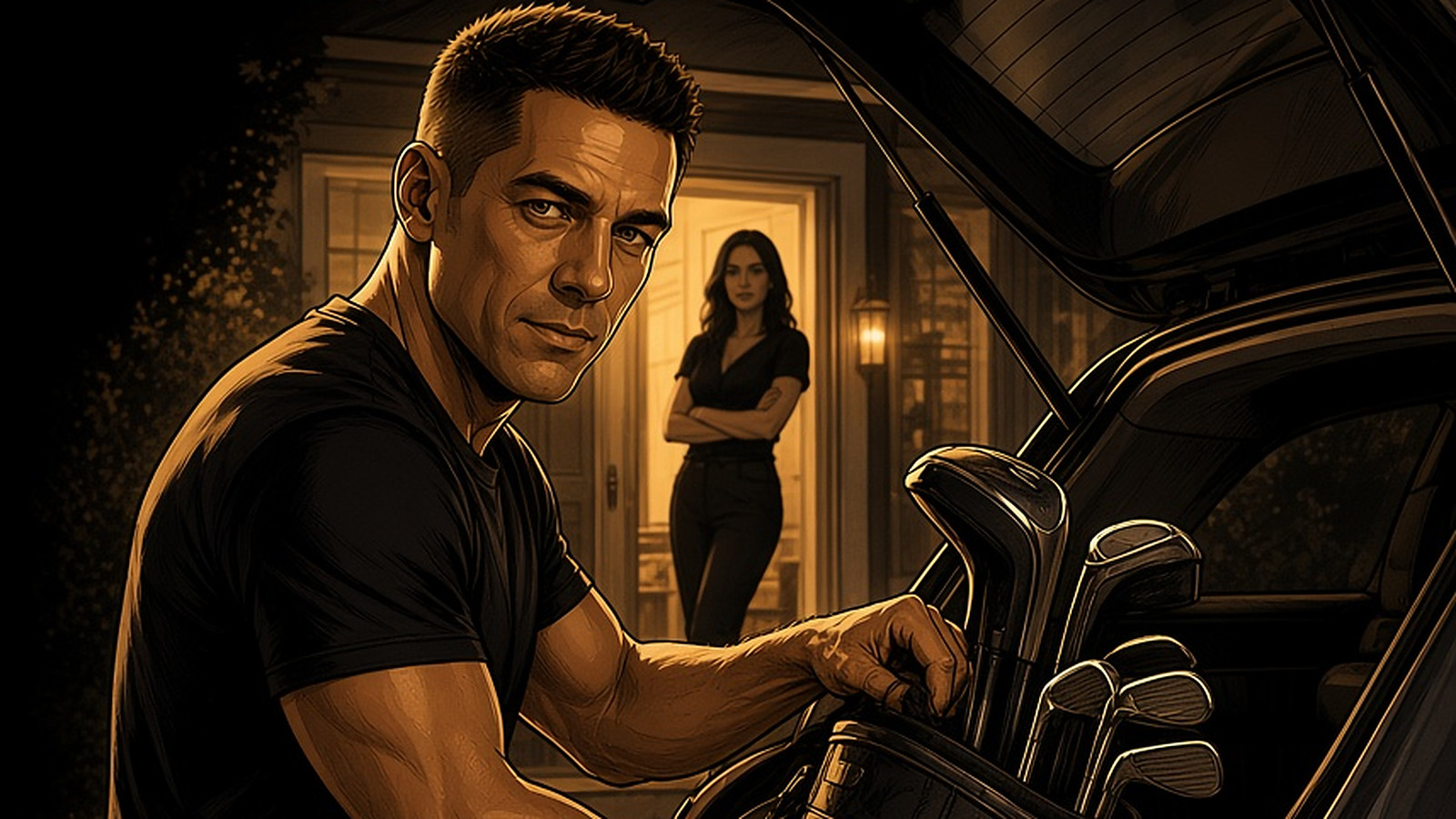
It’s Saturday morning. The clubs are packed, the tee time is booked, your mates are waiting. You grab your keys, head for the door and there it is.
The look.
She’s in a mood. Maybe she says something, maybe she doesn’t have to. Either way, the message is clear: if you walk out that door, there’ll be a price to pay.
So you do what millions of men have been taught to do. You put the clubs back in the garage, text the lads that something came up, and say, “Fancy a movie instead?”
Peace restored. Happy wife, happy life. Right?
Fast forward six months. The demands are bigger. The moods come quicker. And somehow, despite everything you’ve given up, she’s less happy than ever.
That’s not bad luck. That’s the playbook working exactly as designed.
Folksy Wisdom or Cultural Programming?
“Happy wife, happy life” sounds like something your uncle says at a barbecue, beer in hand, with a wink. Harmless. Charming, even.
But look closer and it’s not wisdom. It’s a playbook, and the culture has been pushing it on men for decades. Watch any sitcom: the husband is a bumbling idiot, the wife rolls her eyes, and the punchline is always him grovelling to get back in her good books. Movies, adverts, TV dads, they all sell the same message: your job as a man is to keep her pleased, and if she isn’t, you’ve failed.
Men absorb that without ever questioning it. And then they wonder why their relationships feel like walking on eggshells.
The Premise Is Nuts
Strip the slogan down to what it actually claims: another person’s emotional state depends entirely on your actions.
Say that out loud and you realise how mad it is.
You can’t install happiness in another human being. You can add to someone’s life, support them, love them, make them laugh. But their happiness is theirs. It’s shaped by their mindset, their health, their work, their friendships, their past, their hormones, the weather, and a hundred other things that have nothing to do with you.
And nobody is happy all the time. Not you, not her, not anyone. Except maybe a monk sitting on a mountain somewhere, and even he probably has his off days.
So here’s the hidden trap in the myth: if she’s supposed to be happy, and she isn’t, then the only explanation left is that you’re the reason. Every bad mood becomes your fault. Every frown becomes a problem you need to fix. That’s not a relationship. That’s a job you can never do well enough.
You’re Training Her, Whether You Like It or Not
Let’s go back to the golf day. What actually happened there?
She gave you the look. You cancelled. She got what she wanted.
Lesson learned, not by you, by her. Not consciously, not in some evil, calculated way, but people learn from what gets rewarded. You just showed her that the stare works. The mood works. The silent treatment works. There’s a button, and when she presses it, you change your plans.
So what do you think happens next time she wants something? She presses the button again.
This is how the gradual slide works. It never happens all at once:
- First, you cancel poker night because she’s “not in the mood to be home alone”.
- Then the weekend away with your mates gets quietly dropped because “it’s not a good time”.
- Meanwhile, she’s off to a desert festival with her friends for four days, and you’re expected to be fine with it.
Nobody sat down and agreed to that arrangement. It just crept in, one small concession at a time.
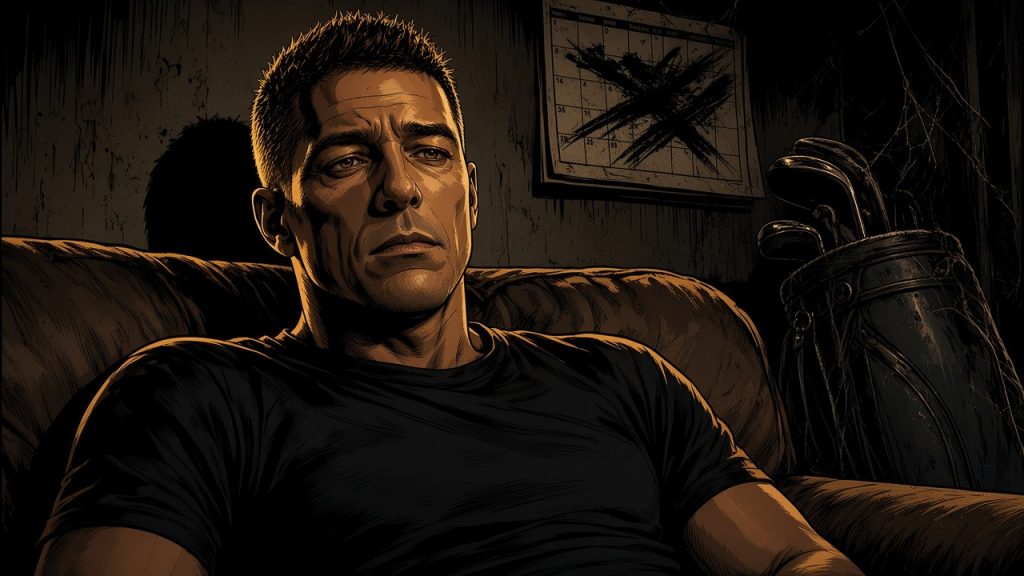
The Irony: The More You Give, the Unhappier She Gets
Here’s the part most men never see coming. All that caving doesn’t make her happier. It makes her less happy.
Why? Because women respect strength. That’s what attracted her to you in the first place: a man with his own life, his own plans, his own backbone. A man who couldn’t be pushed around.
Every time you fold, a little of that man disappears. She may get what she asked for in the moment, but at a deeper level she’s losing something she actually needs: a man she can lean on, rather than one she can lean over.
And as she loses respect, attraction follows it out the door. Then she’s frustrated and doesn’t quite know why, so the moods get worse, so you concede more, so she respects you less. Round and round it goes.
It’s death by a thousand cuts. And the cuts don’t heal cleanly. They get infected. Resentment builds on both sides: hers because she’s with a man who won’t stand up, yours because you’ve given up everything you enjoy and still can’t win.
Why Men Are Shocked When She Leaves
This is why so many men are completely blindsided when the relationship ends.
“I did everything for her. I gave up golf. I stopped seeing my mates. I did whatever she wanted. How could she leave?”
That’s exactly why she left. By the end, there was no ground left to stand on. No man left to push against. He gave away every boundary, every hobby, every opinion, until there was nothing left that resembled the man she chose.
He thought he was being a good partner. In reality, he was slowly erasing himself.
What to Do Instead (Without Becoming a Jerk)
Let me be clear: the answer isn’t to become cold, selfish or dismissive. Ignoring her feelings, storming out, or doing whatever you want with zero consideration isn’t strength. It’s just a different kind of weakness.
Real strength looks like this: calm, relaxed, and not ruled by her moods.
Her emotions are allowed to exist. You don’t have to fix them, and you definitely don’t have to reorganise your life around them. You stay steady. You don’t react. You don’t sulk, argue or beg. You’re the rock, not the weather.
And here’s the bit most men miss: often, the mood isn’t really about golf at all. If you actually ask and listen, you’ll frequently find she’s feeling insecure about the connection. Maybe it’s been a busy week, you’ve both been working late, and she feels like she’s barely seen you. The golf is just the trigger. What she really wants is to feel close to you.
That’s something you can address, without cancelling your plans.
The Script: How to Handle the Golf-Day Moment
Here’s the step-by-step for the next time you get the look on your way out the door.
- Pause and stay relaxed. No sighing, no eye-rolling, no defensiveness. Body loose, voice calm.
- Ask, and mean it. “Hey, what’s up?” Then actually listen. Don’t interrupt, don’t argue your case.
- Hear the real issue. Is it about today, or is it that she’s feeling disconnected? Often it’s “I’ve barely seen you this week.”
- Acknowledge it warmly. “I hear you. Sorry you’re having a rough day.”
- Hold your plan. “But I’m still going. Relax, have a nice morning, and hopefully you’ll feel better when I’m back.”
- Offer real connection on your terms. “Let’s do dinner tonight, just us. I’ve missed you too.” Then follow through.
- Leave without guilt. Kiss her, smile, go. No lingering, no second-guessing in the driveway.
Put together, it sounds something like this:
“Hey, what’s up? … I hear you, it’s been a mad week and we’ve hardly seen each other. Sorry you’re having a bad day. I’m still going to golf, but let’s have dinner tonight, just the two of us. Relax, and hopefully you’ll feel better when I’m back.”
Notice what’s missing: no apology for having a life, no lecture, no drama.
And remember, staying wouldn’t have made her happy anyway. You’d have sat through a movie, quietly resentful, while she sensed you’d rather be anywhere else. Nobody wins that.

Grow Your Backbone Back
If you read this and recognised yourself, if the poker nights are gone, the mates’ weekends are a memory and you can’t remember the last time you held a plan when she pushed back, don’t panic. You can grow your backbone back. Start small. Keep one plan this week. Stay calm when the mood hits. Let her feel the steadiness return.
And if you’re single right now, take this as your warning. Don’t lose your backbone when you enter a relationship. The man she’s attracted to on the first date is the man she needs to keep meeting, years down the line.
Happy wife, happy life is a hoax. A strong man and a respected woman, that’s the real deal.
Affiliate disclosure: Some links in this article are affiliate links. If you buy through them, I may earn a small commission at no extra cost to you. I only recommend things I'd use myself.